



Choosing between different types of accommodations for students can feel confusing, especially if you are moving to the UK for the first time. You may see halls, private halls, studios, ensuite rooms, shared houses, flats, PBSA, and HMO housing.
At first, all these names sound similar. But each option gives a different living experience. Some students want the cheapest room. Some want privacy. Some want a safe place close to campus. Others want bills included, so they can manage money without stress. This guide explains the main student accommodation types in the UK in simple English.
You will learn what each type means, who it suits, what to check, and how to choose the right option for your budget and lifestyle. If you are comparing big-city costs, our London housing guide can help you understand how room type, location, and transport can change your total budget.
Quick Answer: Main Types of Student Accommodation in the UK
The main types of student accommodation in the UK are university halls, private student halls, shared houses, student flats, studio rooms, ensuite rooms, PBSA, and HMO housing. Most first-year students choose halls or managed private accommodation. Many second and third-year students move into shared houses or flats with friends. Here is a quick view:
Accommodation Type | Best For | Main Benefit |
|---|---|---|
University halls | First-year students | Easy start and student support |
Private halls | Students wanting modern rooms | Bills and facilities often included |
Shared houses | Groups of friends | Lower cost and more freedom |
Student flats | Independent students | More control and privacy |
Studio rooms | Privacy-focused students | Private kitchen and bathroom |
Ensuite rooms | Students wanting balance | Private bathroom with shared kitchen |
PBSA | Students wanting managed housing | Built for student living |
HMO housing | Groups sharing a house | Common in student areas |
Why Your Accommodation Type Matters
Your room affects more than sleep. It affects your study routine, rent, travel time, safety, and social life. A cheap room far from campus may cost more after transport. A modern studio may look perfect, but it can feel lonely if you like meeting people. Here’s the thing. The best student room is not always the cheapest one. It is the one that fits your daily life. Before choosing, think about four things:
Factor | Why It Matters |
|---|---|
Budget | Rent, bills, deposit, travel, and food all add up |
Location | A closer room can save time and transport money |
Privacy | Some students need quiet space to study |
Contract | A long contract can cost more over the year |

For a wider official view, students can also check UCAS accommodation advice before comparing halls, private rooms, and shared housing.
University Halls
University halls are one of the most common choices for first-year students. Universities usually manage these buildings. They are often near campus or linked to university transport. Many halls include furniture, internet, laundry access, shared kitchens, and support teams. Some rooms have shared bathrooms. Some offer ensuite rooms.
A few halls also offer catered options, where meals are included. University halls work well for students who want an easy start. You can meet other students quickly and settle into university life without handling too many rental tasks. Students comparing halls and private rooms can also check our Nottingham rooms guide for examples of city centre and Beeston student areas.
Pros of University Halls
University halls make life easier for new students. You usually apply through your university, so the process feels more direct. Bills are often included in the rent. This helps with budgeting because you do not need to set up gas, electricity, or broadband yourself. You also get student support nearby. If something breaks, you can contact the accommodation team.
Cons of University Halls
You may not choose your flatmates. You may also share a kitchen or bathroom with people you do not know. Some halls can feel noisy, especially during the first few weeks. If you need quiet space, check the hall style before applying. Availability can also become a problem. Popular halls may fill fast.
Best For
University halls suit:
- First-year students
- Students moving away from home
- International students
- Students who want campus support
- Students who want to meet people
Private Student Halls
Private student halls work like university halls, but private companies manage them. These buildings are often near city centres, campuses, bus routes, and train stations. Many offer ensuite rooms, studios, study rooms, gyms, l Private halls often include bills, WiFi, furniture, security, and maintenance. This makes them simple for students who want fewer setup tasks.
Pros of Private Student Halls
Private halls often feel modern. Many buildings offer clean rooms, fast internet, study areas, and shared spaces. They can also help students who missed university hall deadlines. Some private halls accept students from different universities in the same city. Security can be strong too. Many buildings use fob entry, CCTV, reception staff, or maintenance teams.
Cons of Private Student Halls
Cost is the main downside. Private halls can be more expensive than shared houses or standard university rooms. Some buildings also use longer contracts. Always check the contract length before booking Do not choose a private hall only because of a gym, cinema room, or games area. Ask yourself if you will really use those extras.
Best For
Private halls suit:
- Students who want modern rooms
- International students
- Students who want bills included
- Students who want city centre living
- Students who want managed accommodation
Shared Student Houses
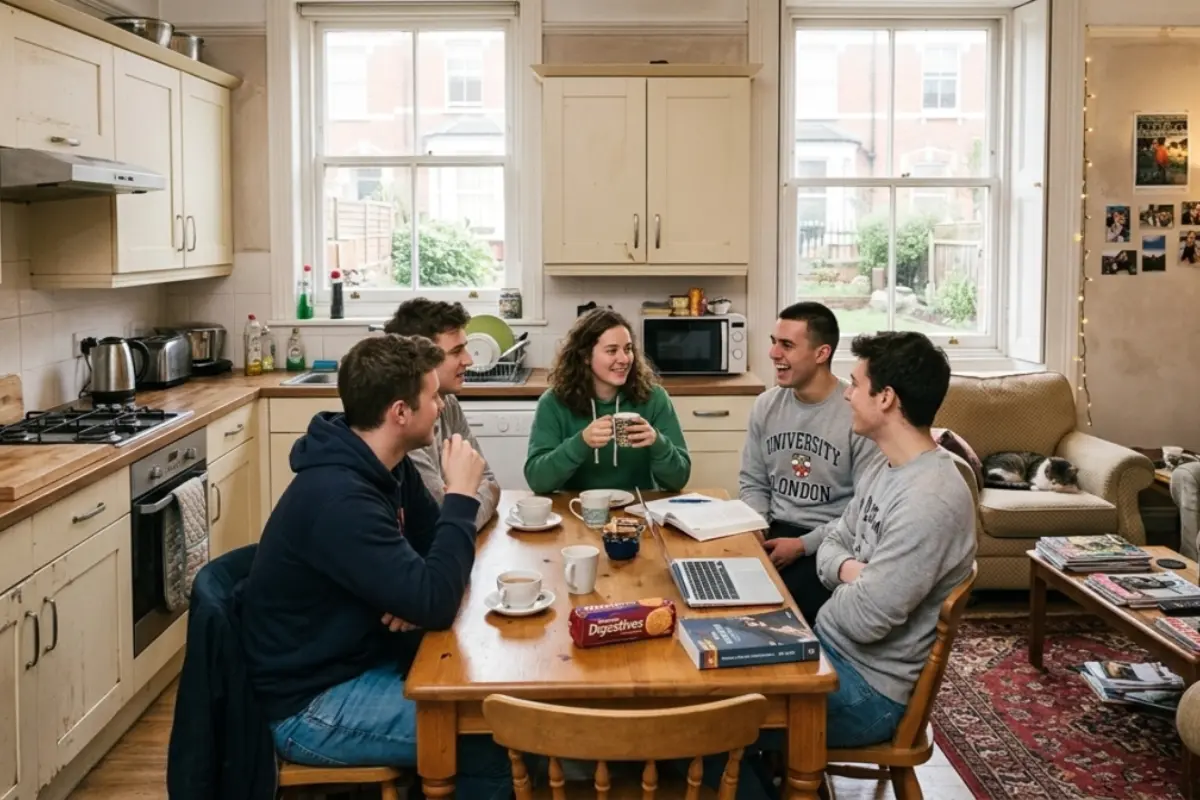
Shared student houses are very common for second and third-year students in the UK. In this setup, students rent a house together from a landlord or letting agent. You may share the kitchen, bathroom, lounge, garden, and bills.
This option gives more freedom than halls. You can live with friends, choose your area, and enjoy a more homely setup. For shared housing examples, see our Leeds houses guide, especially if you want to compare Headingley and Hyde Park.
Pros of Shared Student Houses
Shared houses can cost less than studios or private halls. You may also get more space, such as a lounge, kitchen, and outdoor area. This option works well if you already have a group of friends.
You can choose housemates and split costs. Shared houses are common in student areas. For example, Leeds students often look at Headingley and Hyde Park. Birmingham students often search around Selly Oak.
Cons of Shared Student Houses
Bills can become stressful. You may need to split gas, electricity, water, broadband, and cleaning costs. Housemate problems can also happen. Dirty dishes, late rent, noise, and cleaning arguments can turn a good house into a headache. You also need to check the property carefully. Look for damp, heating, locks, windows, fire alarms, and appliance condition.
Best For
Shared houses suit:
- Second-year students
- Third-year students
- Groups of friends
- Budget-focused students
- Students who know the city
- Students who want more freedom
Student Flats and Apartments
Student flats and apartments give more independence than halls. You may rent alone, with a partner, or with one or two friends. Some flats sit inside normal apartment blocks. Others are part of student buildings.
This option can suit students who want fewer housemates and a quieter place to live. If you are comparing flats, halls, and private rooms in a large student city, our Manchester guide gives a useful city-based view.
Pros of Student Flats
Flats can offer more privacy than halls or large shared houses. They may also feel calmer. A flat can work well for postgraduate students, mature students, couples, or students who prefer a small living setup. Some flats sit close to universities, supermarkets, libraries, and transport links. This can save time during busy study weeks.
Cons of Student Flats
Flats can cost more, especially in city centres. Bills may not be included. So the total monthly cost can change. You also need to check the tenancy agreement, furniture, repairs, and deposit rules. Do not trust photos only. A viewing or real video tour can show the room condition better.
Best For
Student flats suit:
- Independent students
- Postgraduate students
- Mature students
- Couples
- Students who want fewer housemates
- Students who prefer quiet living
Studio Student Accommodation
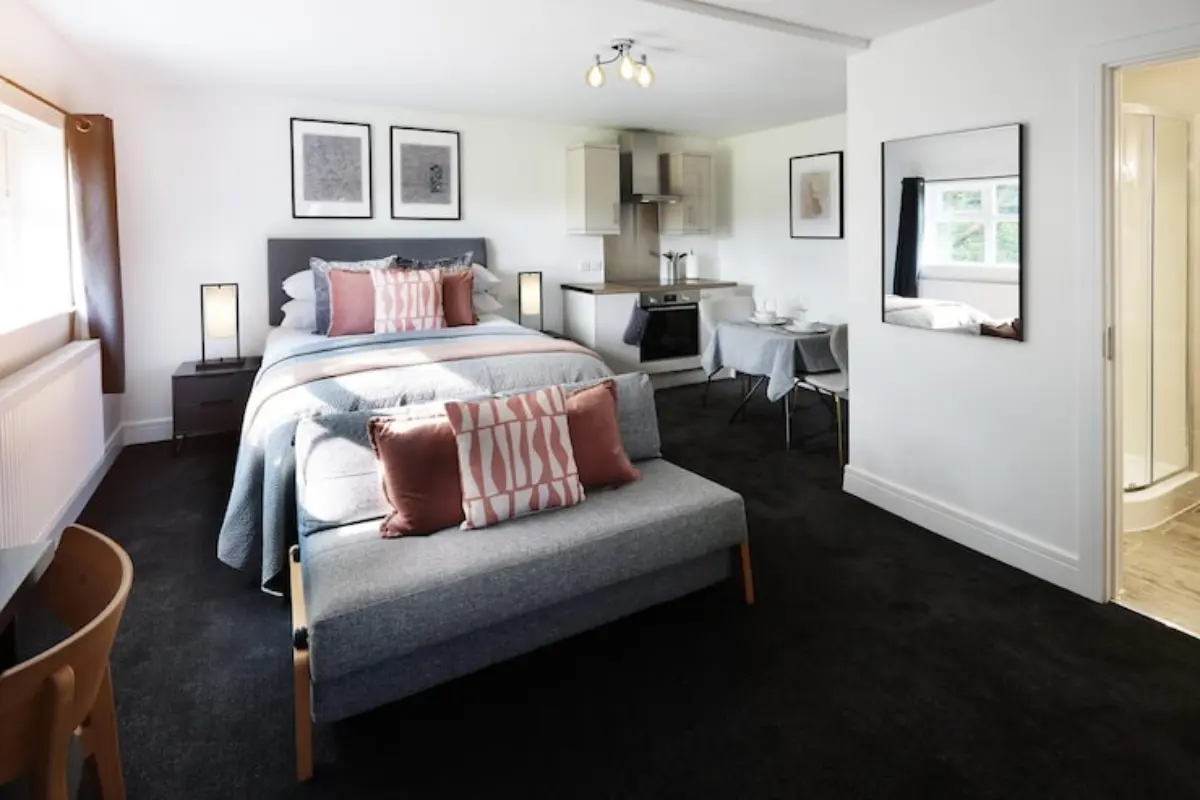
A studio room gives you a private bedroom, bathroom, kitchen, and study space in one self-contained room. This is one of the most private types of student accommodation. You do not share a kitchen or bathroom with other students. Studios are common in private halls and PBSA buildings. They often suit students who want quiet, control, and personal space.
Pros of Studio Rooms
Studios give strong privacy. You can cook, study, sleep, and relax in your own space. You do not need to wait for the bathroom. You also do not need to clean up after flatmates. Many studios include bills, WiFi, furniture, and building facilities. This can make budgeting easier.
Cons of Studio Rooms
Studios usually cost more than ensuite rooms or shared rooms. They can also feel lonely. If you like social living, you may need to make extra effort to meet people. Another point is space. Your kitchen, bed, desk, and living area sit close together. Some students like that. Others find it too small.
Best For
Studio rooms suit:
- Students who want privacy
- Postgraduate students
- International students with higher budgets
- Students who need quiet space
- Students who do not want shared kitchens
 Ensuite Student Accommodation
An ensuite room gives you a private bedroom and private bathroom. You usually share the kitchen with other students. This room type gives a good balance. You get bathroom privacy, but you still meet people in shared spaces. Ensuite rooms are common in university halls, private halls, and PBSA buildings.
Pros of Ensuite Rooms
You do not share a toilet or shower. Many students find this more comfortable. Ensuite rooms usually cost less than studios but offer more privacy than basic shared bathroom rooms. They also support social living. You can meet flatmates in the kitchen without sharing your bathroom.
Cons of Ensuite Rooms
You still share a kitchen. If your flatmates do not clean, this can become annoying. Ensuite rooms can also cost more than standard rooms with shared bathrooms.
Best For
Ensuite rooms suit:
- First-year students
- Students who want a private bathroom
- Students who want some social life
- Students who want a middle option
- Students who do not need a private kitchen
Studio vs Ensuite: Which Is Better?
Both options are popular, but they suit different students.
Feature | Studio | Ensuite |
|---|---|---|
Bathroom | Private | Private |
Kitchen | Private | Shared |
Privacy | High | Medium-high |
Social life | Lower | Better |
Cost | Usually higher | Usually lower than studio |
Best for | Quiet students | Students wanting balance |
Choose a studio if you want full privacy and can afford the higher rent. Choose an ensuite if you want a private bathroom but still want a shared student setting.
PBSA Student Accommodation
PBSA means Purpose-Built Student Accommodation. This housing is built specially for students. PBSA buildings may include studios, ensuite rooms, shared apartments, study rooms, laundry rooms, bike storage, gyms, and social spaces. Many private halls are PBSA. Some buildings are simple. Others offer premium features.
Pros of PBSA
PBSA can make student living easier. Many buildings include bills, WiFi, maintenance, and security. You often get study areas and shared spaces made for students. This can help if you want a managed place with useful services. PBSA also works well for international students because the setup is often clear before arrival.
Cons of PBSA
PBSA can cost more than shared houses. Some buildings add luxury features that not every student needs. A cinema room sounds nice, but it should not be the reason you pay too much. Always compare the full rent with what you actually need.
Best For
PBSA suits:
- Students who want managed housing
- International students
- Students who want bills included
- Students who want modern facilities
- Students who want security and support
HMO Student Housing
HMO means House in Multiple Occupation. In simple words, it is a shared home where several people from different households live together and share facilities. Many student shared houses are HMOs. This matters because HMO landlords may need to follow extra rules. They may also need a licence, depending on the property and local council rules. tudents renting shared houses should also check official HMO housing rules, especially if several tenants share kitchens or bathrooms.
Pros of HMO Housing
HMO housing can be cheaper than studios or private halls. It is also common in student areas. You may get a bigger kitchen, lounge, and outdoor space than you would in a flat. For groups of friends, an HMO can feel like a proper home.
Cons of HMO Housing
Quality can vary a lot. Some HMOs are safe and well-managed. Others may have damp, poor heating, small rooms, or slow repairs. Check the licence, fire alarms, locks, gas safety, and repair process before signing. Also ask who pays council tax, how bills are split, and what happens if one housemate leaves.
Best For
HMO housing suits:
- Groups of students
- Second-year students
- Third-year students
- Budget-focused students
- Students who want a house
- Students who are comfortable sharing facilities
University Halls vs Private Halls
University halls and private halls look similar from the outside, but they work differently.
Feature | University Halls | Private Halls |
|---|---|---|
Managed by | University | Private company |
Common users | First-year students | Mixed student groups |
Bills | Often included | Often included |
Support | University support | Building support |
Cost | Often lower | Often higher |
Room types | Standard, ensuite, catered | Ensuite, studio, shared apartment |
Social life | Strong in first year | Depends on building |
University halls suit students who want a simple first-year start. Private halls suit students who want modern rooms, more facilities, or city centre locations.
Shared House vs Student Flat
A shared house is better if you want to live with friends and keep rent lower. A student flat is better if you want fewer people around and more control. Shared houses often give more space. Flats often feel calmer. Pick a shared house if you want a social home with friends. Pick a flat if you want a smaller, quieter setup.
Which Type Is Best for First-Year Students?
First-year students usually need a simple setup. They are learning a new course, new city, and new routine. The best choices are:
- University halls
- Private halls
- Ensuite rooms
- PBSA
- Shared flats with other first-year students
University halls and private halls can make the first year easier because bills, support, and maintenance are usually more direct. A shared house can work, but it may feel harder if you do not know the area or your housemates.
Which Type Is Best for International Students?
International students often need safety, clear costs, and easy booking. The best choices are:
- University halls
- Private halls
- PBSA
- Ensuite rooms
- Studios
These options often include furniture, WiFi, bills, and support. That means less stress after arriving in the UK. Before paying, check that the provider is real. Use official university pages, trusted platforms, or direct provider websites. Also check the contract length, deposit, cancellation terms, guarantor rules, and distance from campus.
Which Type Is Cheapest?
The cheapest student accommodation type depends on the city, room size, bills, and contract length. In many UK cities, shared houses are often cheaper than studios and private halls. But this is not always true. A shared house in London may cost more than a studio in a smaller city. So compare the total monthly cost, not just weekly rent.
Cost Level | Accommodation Type |
|---|---|
Usually cheaper | Shared student house |
Budget to mid-range | Standard university room |
Mid-range | Shared flat |
Mid to higher | Ensuite room |
Higher | Private halls |
Higher | PBSA |
Usually highest | Studio room |
What Costs Should You Check?
Rent is only one part of the cost. Before booking, check:
- Weekly rent
- Monthly rent
- Bills
- Deposit
- Holding payment
- Internet
- Laundry
- Transport
- Food budget
- Contract length
- Summer rent
- Contents insurance
Many student rooms show weekly rent. But your real budget works monthly. Also compare contract length. A 44-week contract and a 51-week contract can create a big cost difference.
Bills Included vs Bills Not Included
Bills included means your rent may cover gas, electricity, water, internet, and sometimes contents insurance. Bills not included means you pay rent first, then pay bills separately. Bills included is easier for budgeting.
It can suit first-year and international students. Bills not included can work for experienced students living with responsible friends. But it can create stress if housemates use too much energy or forget payments.
Contract Checklist Before You Sign
Do not sign only because the room looks nice. The contract matters. Check these points:
Contract Point | What to Check |
|---|---|
Start date | When can you move in? |
End date | When does the contract finish? |
Deposit | Is it protected if required? |
Rent dates | Do they match your budget? |
Bills | Are they included or separate? |
Guarantor | Do you need one? |
Cancellation | Can you leave early? |
Repairs | Who handles maintenance? |
Summer rent | Do you pay during holidays? |
If any point is unclear, ask before paying. Before paying a deposit, check the official deposit protection rules so you know how tenancy deposits should be handled.
Safety Checklist for Student Accommodation
Safety should come before style. Before booking, check:
- Secure bedroom door
- Secure main entrance
- Smoke alarms
- Fire exits
- Working heating
- No damp smell
- Safe windows
- Clear repair process
- Real landlord or provider
- Good transport route at night
- Real reviews
- Local council licence if needed
A fresh coat of paint can hide problems. Bad management is harder to fix. For extra safety tips, read our safe choices guide before you book.
Best Accommodation Type by Student Need
Different students need different rooms.
Student Need | Best Option |
|---|---|
Want to meet people | University halls |
Want modern facilities | Private halls or PBSA |
Want full privacy | Studio |
Want private bathroom | Ensuite |
Want lower cost | Shared house |
Want quiet living | Flat or studio |
Moving from abroad | University halls, PBSA, or private halls |
Living with friends | Shared house or HMO |
Here’s the simple way to choose. If you want social life, choose halls or shared housing. If you want peace, choose a studio or small flat. If your budget is tight, look at shared houses, but check the bills first.
If you are new to the UK, start with managed accommodation. You can move into a shared house later when you know the city better. Common Mistakes Students Make Many students choose too fast. That can lead to stress later. Avoid these mistakes:
- Choosing from photos only
- Ignoring bills
- Forgetting transport costs
- Signing without reading the contract
- Picking housemates too quickly
- Ignoring damp or poor heating
- Booking too late
- Paying before checking the provider
- Choosing the cheapest room without checking total cost
A good student room should fit your money and your routine. It should not drain both.
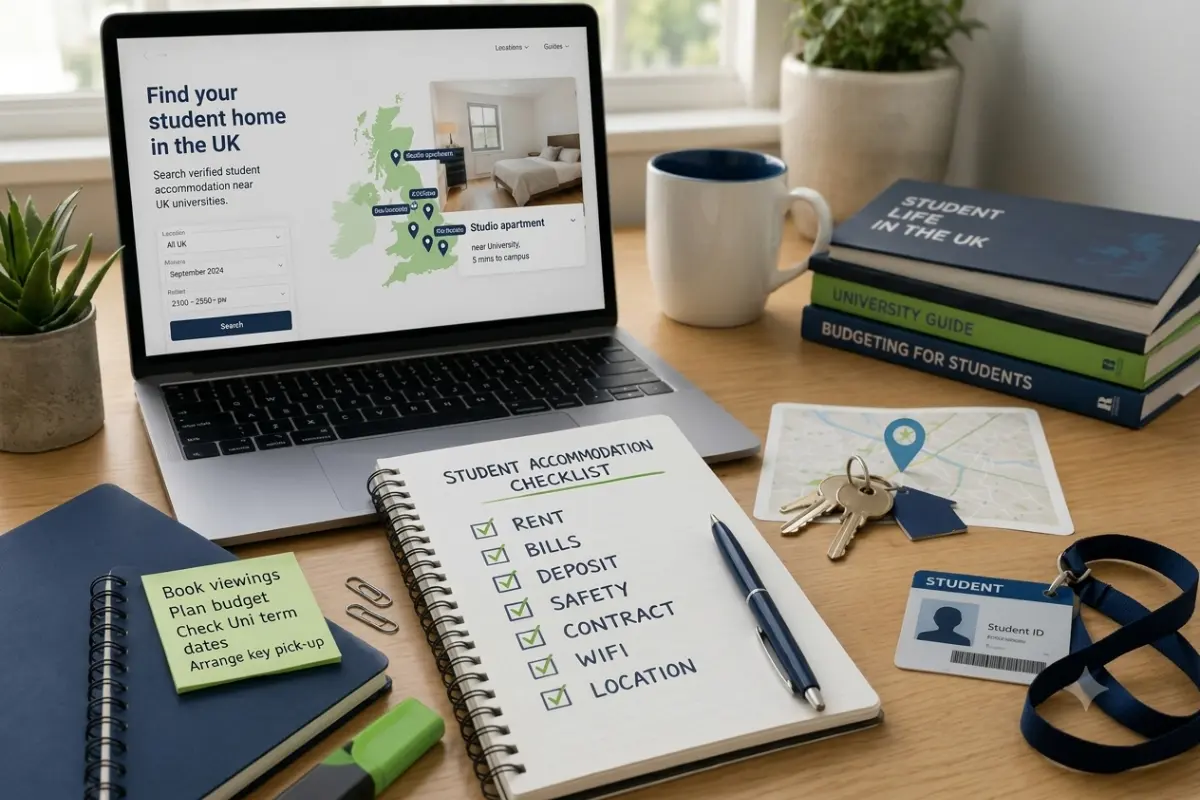
Final Checklist Before Booking
Before you pay a deposit or sign anything, check this list:
- Is the rent weekly or monthly?
- Are bills included?
- How long is the contract?
- Is the deposit protected if required?
- Is the landlord or provider real?
- Are repairs handled clearly?
- Is the area safe?
- How far is it from campus?
- What transport will you use?
- Is WiFi included?
- Is laundry available?
- Are there guest rules?
- Can you leave early if plans change?
- What do reviews say?
- Have you seen the room or a real video tour?
This checklist can save you from bad surprises.
Final Thoughts
The best student accommodation type depends on your budget, city, study style, and comfort level. If you are starting university for the first time, university halls or private halls can make life easier. If you want privacy, an ensuite room or studio may suit you better. If you want to save money and live with friends, a shared student house can work well.
If you want managed housing with support, PBSA can be a strong option. The main point is simple. Compare the full cost, contract, location, safety, bills, and support before you book. Once you know the main types of accommodations for students, choosing the right UK student housing option becomes much easier.
FAQs About Types of Student Accommodation in the UK
What are the main types of accommodations for students in the UK?
The main types are university halls, private halls, shared houses, student flats, studio rooms, ensuite rooms, PBSA, and HMO housing. Each option has different costs, privacy levels, and contract rules.
Which student accommodation type is best for first-year students?
University halls are often best for first-year students because they are simple, social, and usually close to campus. Private halls and ensuite rooms are also good if you want more modern facilities.
What is the cheapest type of student accommodation?
Shared student houses are often the cheapest option, especially outside expensive city centres. But always check bills, transport, deposit, and contract length before choosing.
Is a studio better than an ensuite room?
A studio is better if you want full privacy with your own kitchen and bathroom. An ensuite is better if you want a private bathroom but still want to share a kitchen and meet flatmates.
What does PBSA mean in student accommodation?
PBSA means Purpose-Built Student Accommodation. It is housing built specially for students, often with furnished rooms, WiFi, study areas, laundry, security, and bills included.
Are bills included in student accommodation?
Bills are often included in university halls, private halls, PBSA, studios, and ensuite rooms. In shared houses or private flats, bills may be separate, so check the contract before signing.
What should students check before booking accommodation?
Students should check rent, bills, deposit, contract length, safety, location, WiFi, repairs, reviews, and distance from campus. Also check if the landlord or provider is real before paying.

