



Cheap student accommodation in London is one of the hardest housing searches in the UK. London is the most expensive region for student rent, with surveyed students paying an average of £812 per month in 2025. Also, many mainstream student listings in London still start around £189 to £220+ per week. So, students need to think in price bands, room types, and commute trade-offs instead of chasing prices that barely exist in the real market.
Facebook Links
DIT CIT course in multanHere’s the thing. Cheap in London does not mean the same thing as cheap in York, Leeds, or Southampton. In London, a room can still feel expensive while being good value for the city. That is why this guide focuses on what students can actually get, where they can save, and which costs matter most beyond the headline rent.
What counts as cheap student accommodation in London?
The clearest way to judge cheap student accommodation in London is by weekly budget bands:
| Budget band | What you’ll usually get | Best fit |
| Under £100/week | Rare shared room only | Very tight budget |
| £100 to £180/week | Shared room, older halls, limited stock | Budget-first students |
| £180 to £230/week | Entry-level private options, some halls | Most realistic cheap target |
| £230 to £300/week | Better location or better room quality | Students balancing comfort and cost |
That range matches the live market. University Living says London listings start at £189/week, while Student.com’s budget-focused London page shows examples starting above £220/week on its current page.
It also helps to separate the three ideas. Cheap means the lowest end of the market. Affordable means manageable for the area. Value for money means the room gives a better mix of rent, bills, safety, and location. In London, value often matters more than the lowest weekly number.
Can you find student accommodation in London for under £100 a week?
Yes, but it is rare.
StudentCrowd says rent in Central London ranges from £82 to £940 per week, and in West London from £97 to £831 per week. That shows sub-£100 options do exist, but they sit at the edge of the market. In most cases, they are shared rooms or very limited, low-end stock, not standard private student rooms or studios.
So, if you are chasing student accommodation under £100/week, keep expectations realistic. You will usually trade away privacy, location, or room quality. That is why private rooms and studios cost more. Students are paying for their own space, and in London, that premium rises fast.
Average cheap student accommodation prices in London
For most students, the real budget sweet spot is £180 to £250 per week. That is where more standard private options begin to appear, even though choice is still tight. Below that, the search often shifts into shared rooms, older stock, or longer commutes.
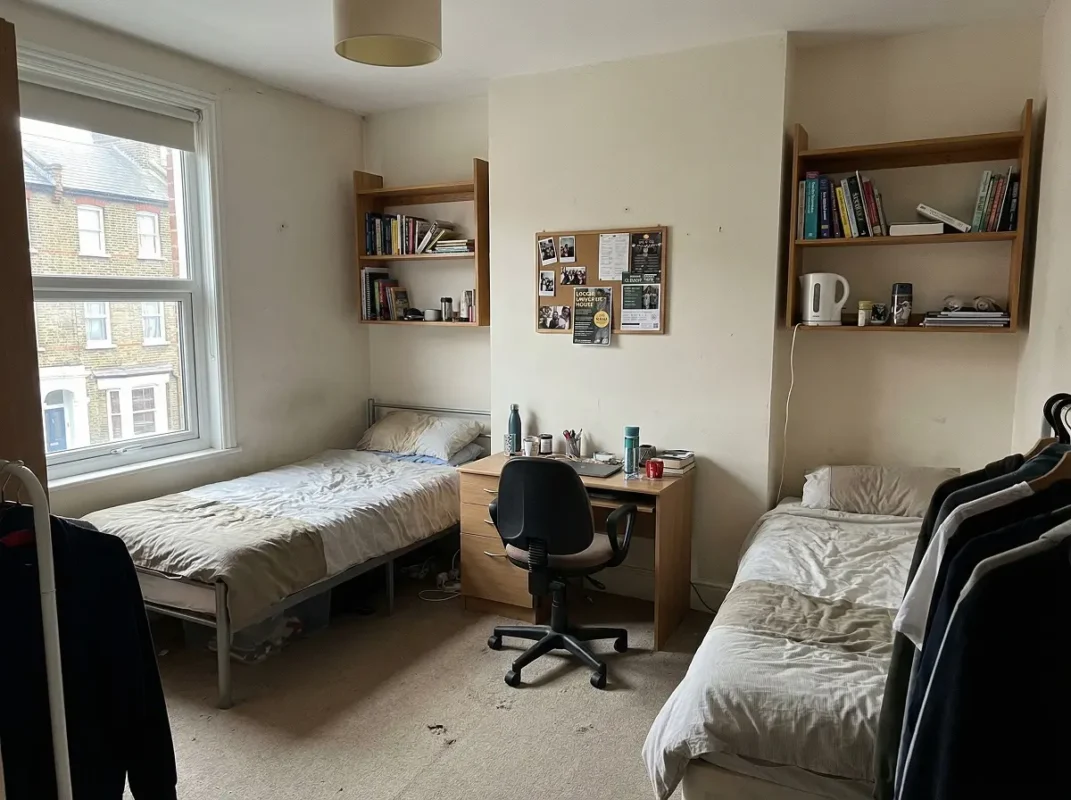
That matters because students often ask the wrong question. Instead of asking, What is the cheapest room in London? The better question is, what can I get within my budget without making daily life harder? That gives you a much better decision framework.
Cheapest room types for students in London
Room type changes the price more than most students expect. The usual order from cheapest to most expensive is:
Shared room → Non-en-suite → En-suite → Studio → Apartment
Shared rooms are usually the cheapest because you also share the bedroom. Non-en-suite rooms often give the best middle ground because you still get your own room but share the bathroom. En-suites cost more, while studios and apartments sit much higher because they offer private bathroom and kitchen space.
What this really means is simple. If your budget is tight, start by comparing shared rooms and basic private rooms before you even look at studios.
Cheapest areas for student accommodation in London
StudentCrowd’s 2026 area table puts London sub-regions in this order:
| London area | Average weekly rent |
| West London | £370 |
| South East London | £409 |
| South West London | £418 |
| North London | £438 |
| Central London | £460 |
| East London | £520 |
This is useful for one big reason. It shows that students should not assume every outer or east-side area is automatically cheaper. Based on StudentCrowd’s latest data, West London is the lowest of the listed London sub-regions, while East London is the highest in that comparison.
So, if you want better value, focus on transport-connected areas rather than chasing one famous postcode. Also, if you have related pages on your site, this is a natural place to link to guides like the best areas for students in London or affordable student accommodation in the UK.
Why living outside Zone 1 can save you money
Student.com says affordable options in central London are hard to find, and its budget examples often sit outside the very centre. Save the Student also points out that travel into lower-numbered zones costs more, which is a reminder that London rent and travel work together.

So yes, a longer commute can cut rent. But students should compare rent plus travel, not rent alone. A cheaper room can stop being cheap if it adds too much travel cost and too much daily stress.
Hidden costs that make cheap student accommodation more expensive
A lot of “cheap” rooms get more expensive once the extra costs show up. UCAS says students should budget for more than rent, including food, utilities, internet, phone bills, travel, and study costs. UCAS also says some rents include internet, energy, and water, while others charge these separately.
Here are the main costs students need to check before booking:
- Bills not included
- Deposit
- Guarantor terms
- Transport cost
- Laundry
- Internet
- Contract length
- Summer charges
Save the Student’s 2025 accommodation survey says the average rental deposit was £387. It also found that only 67% of surveyed students said their rent covered at least one extra service, and 33% said nothing extra was included. That is why headline rent alone is never enough.
How much rent can a student realistically afford in London?
UCAS says half of your living costs at university may go towards your rent. That is a good starting point. If your rent is eating far more than that, the room may be too expensive for your budget, even if it looks normal by London standards.
London students also face much higher overall spending. Save the Student says average monthly student spending in London reached £1,269 in 2025, with average rent at £812 per month. So, a safe rent cap should come after you account for travel, food, phone, study needs, and basic day-to-day costs.
A simple rule works well here. Start with your full monthly money. Subtract fixed essentials first. Then see what rent still feels safe without leaving your budget too tight. That is a smarter method than copying what another student pays.
Smart ways to find cheaper student housing in London
Students usually save the most when they keep the search practical:
- Book early, because better-value rooms go fast
- Look beyond central postcodes and compare commute quality
- Consider shared houses after the first year
- Compare bills-included deals with lower-rent rooms that charge extra
- Compare by room type, not just by building brand
- Use university housing offices and trusted student platforms
These steps sound basic, but together they can save students a lot.
Cheap student accommodation in London: best options by budget
| Budget band | Likely room type | Likely area | Main trade-off |
| Under £150/week | Shared room or rare low-end stock | Mostly outer areas | Very limited choice |
| £150 to £200/week | Shared room, older halls, some entry-level options | Outer London or less central areas | Less privacy or longer commute |
| £200 to £250/week | Entry-level private room, some halls, some en-suites | Zone 2 or Zone 3 in many cases | Better balance, but still compromise on location or quality |
| £250 to £300/week | Better en-suite or better-located halls | Wider area choice | More comfort, but still below studio level in most cases |
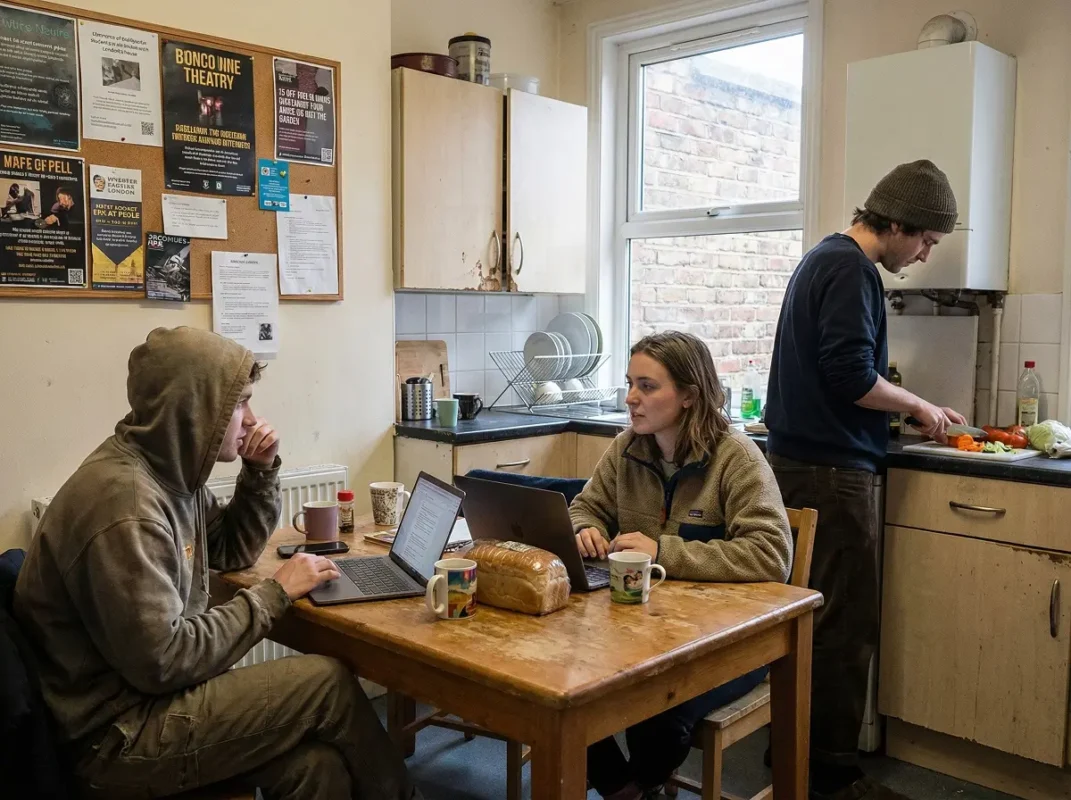
For most students, £200 to £250 per week is the most realistic, cheap target for standard London student housing. That lines up with current marketplace listings better than the ultra-low ranges many students hope for.
Is London still worth it for students on a budget?
Yes, but only with realistic choices.
Cheap student accommodation in London does exist, but it usually means one of three things: a shared room, a less central area, or a longer commute. The students who do best are the ones who focus on value, full monthly cost, and room type before they focus on postcode.
So, if you use the keyword cheap student accommodation London in your content, keep the page honest. That honesty is what makes the article stronger. Cheap exists. Still, in London, it almost always comes with a trade-off.
FAQs
What is the cheapest student accommodation in London?
Usually, a shared room or limited low-end stock in less central areas. Mainstream listings often start much higher, around £189/week and above.
Can I get student accommodation in London under £100 a week?
Yes, but it is rare. StudentCrowd shows examples starting at £82/week in Central London and £97/week in West London.
Which part of London is cheapest for students?
Based on StudentCrowd’s 2026 area table, West London is the cheapest of the listed London sub-regions.
Are student halls cheaper than private rentals in London?
Not always. Save the Student’s 2025 survey found average rent from a private landlord was £532/month, compared with £615 in university accommodation and £650 in private halls. Halls can still offer better value when bills are included.
What is included in student accommodation rent?
It varies. UCAS says some rents include internet, energy, and water, while others charge separately.
How early should I book cheap student accommodation in London?
Earlier is usually better because good-value rooms disappear fast in a high-demand city like London

